Beyond the Value Aisle: 5 Key Takeaways from PLMA 2026
The retail private label industry gathered in the birthplace of modern retail—Northwest Arkansas—for the 2026 PLMA Leadership Conference. With the theme "Building Brands That Drive Success," the event underscored a new era where store brands continue the shift from just "value alternatives"—to becoming high-performance brands in their own right.
This inflection point began about 2020, as Target, Walmart, CVS and Amazon (to name a few) launched completely new, authentic brands like Good & Gather, Bettergoods, Wellmarket, Dealworthy, etc. Here are my key observations shaping the private brand landscape this year:
1. Private Label is Now a $300B Powerhouse
Private label growth remains exceptionally durable, officially hitting the $300 billion mark. In 2025, store brands grew at nearly three times the rate of national brands (3.3% vs. 1.2% dollar growth). PLMA projects a 4% to 6% CAGR through 2030, driven by a permanent shift in consumer trust and retailer’s brand-building efforts.
2. Quality as a Strategic Impetus
In his keynote, Scott Morris (SVP, Walmart) emphasized that Walmart’s private brands are a primary strategic focus, aimed at building loyalty through quality-core products rather than just price.
-
Gen Z & Millennials: Younger consumers have become the fastest adopters of private brands.
-
Refreshing the Classics: Walmart’s Great Value brand has undergone a refresh, with new packaging rolling out in Q2 2026—a clear signal that rigorous packaging design validation is now standard for retail giants.
3. Packaging Design is Foundational: There’s a "Human + AI" Sweet Spot
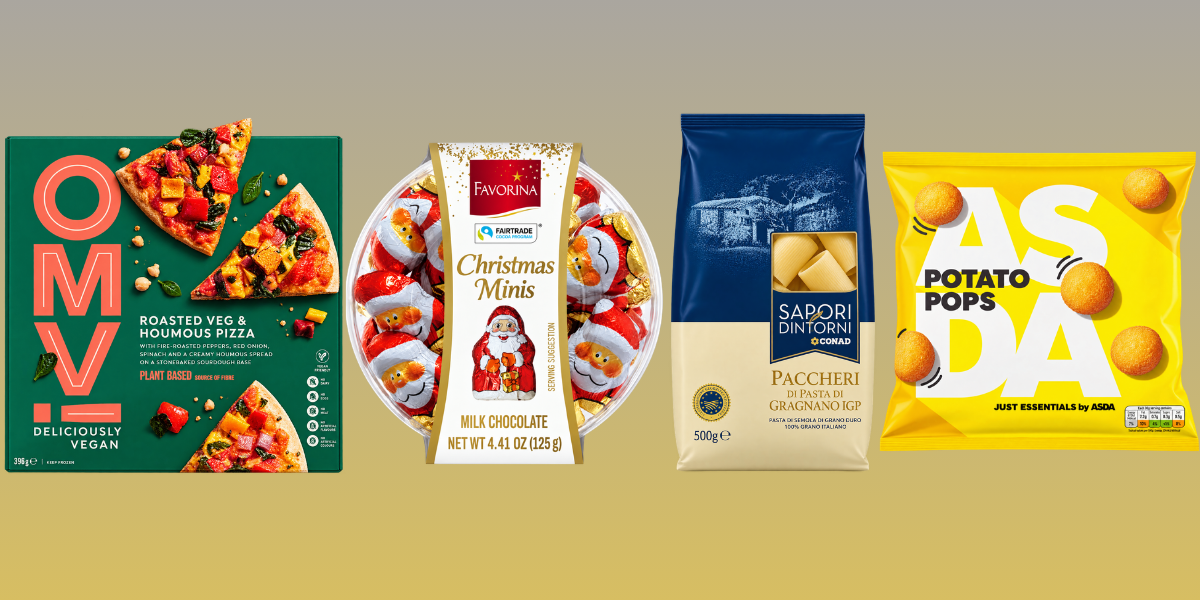
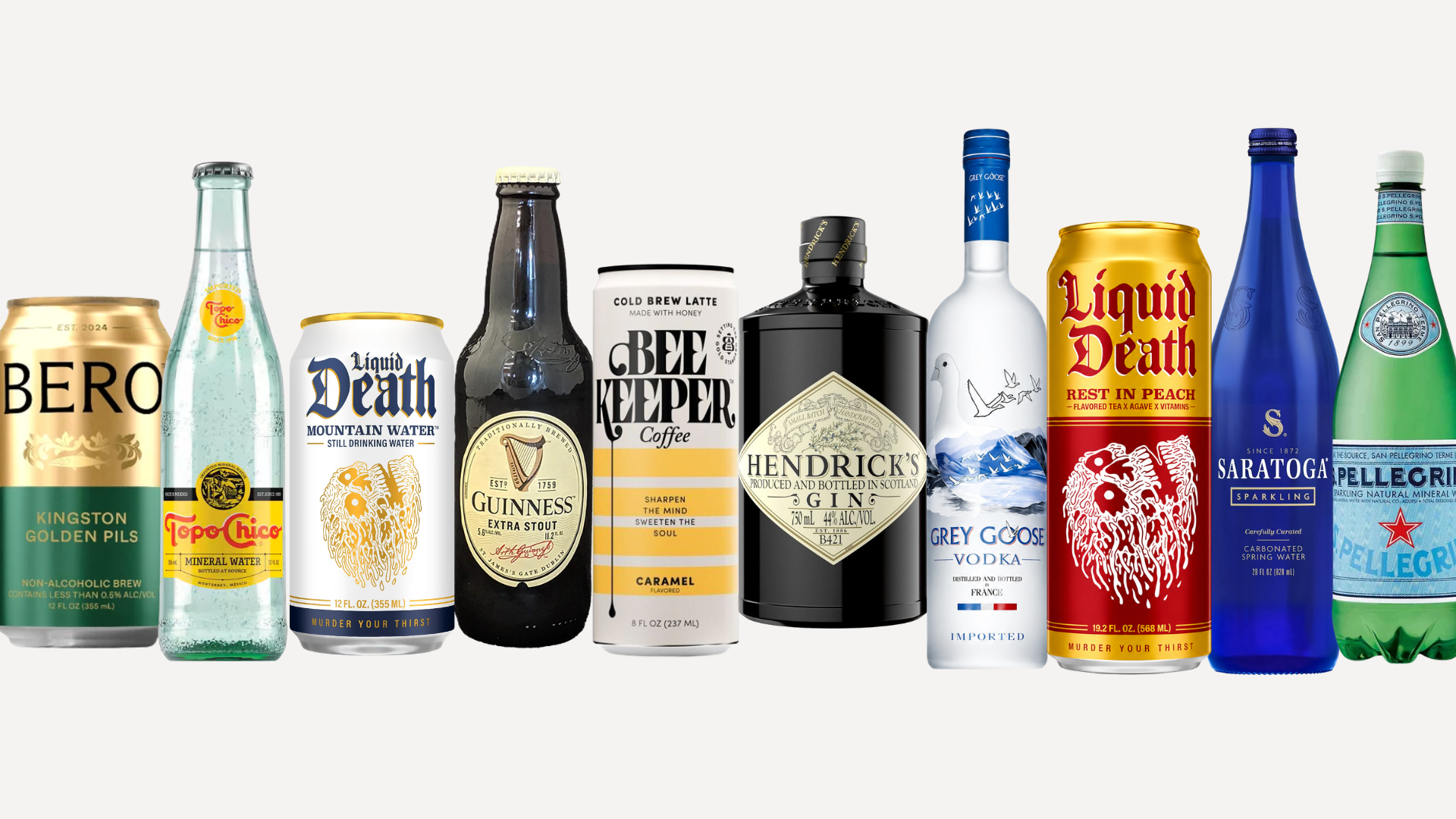
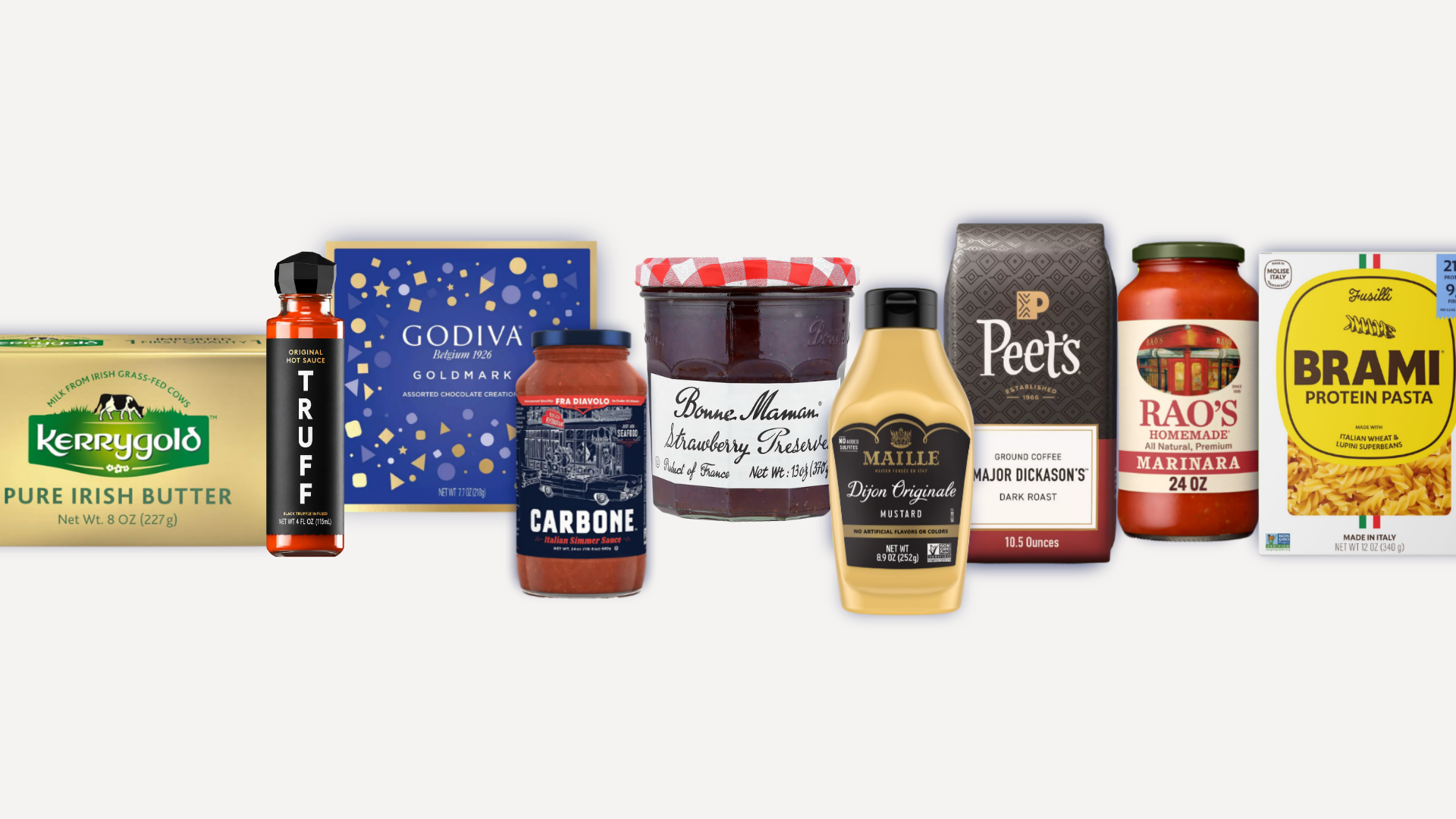
The most powerful marketing lever for private label brands remains the package. A major theme explored by Dr. Steen Tjarks (CEO, Tjarks & Tjarks) is in how AI is being leveraged in packaging design. The headline? It’s most effective when it is a collaborative effort.
-
The Hybrid Advantage: Studies show consumers do not prefer designs created solely by humans or solely by AI.
-
Emotional Resonance: While AI excels at scaling insights, human designers are essential for the "emotional resonance" that drives purchase intent.
4. The Rise of Premiumization
Neil Saunders (GlobalData) noted that while private labels are staples in "commoditized" categories like eggs, the real growth is in lifestyle and high-engagement categories.
-
The Risk Factor: As retailers move into premium tiers, the risk of "getting it wrong" increases.
-
Visual Cues: Unlike value brands, premium brands rely almost entirely on visual cues and emotional reassurance to justify their price point.
5. Sustainability 2.0: The Tension of "Paperization"
Sustainability remains a top priority for consumers and major retailers. However, there’s a growing tension between "Paperization" (sustainable materials) and "Visibility" (the consumer's desire to see the product). Retailers are currently hunting for designs that provide a "sustainable halo" without sacrificing "appetite appeal" or shelf visibility. Package design testing is a key enabler of success in this journey.
The Behaviorally Perspective: As retailers lean into these new brand identities and "premiumized" tiers, the need for design testing early in the process has never been greater. Whether it's validating a brand refresh or ensuring a sustainable package still drives purchase intent, our tools like Pack.AI and PackFlash are designed to help retailers navigate these high-stakes launches with confidence.
Contact us today to learn more about how our AI product stack can help you own the most valuable moment in marketing: the transaction.
THE AUTHOR

Peter Cloutier is a senior marketing leader at Behaviorally, specializing in packaging design research and shopper behavior. He helps CPG brands and retailers optimize packaging to win at shelf using behavioral science and AI-driven insights. Peter’s previous experience includes leadership roles at ChaseDesign, Catapult, Ryan Partnership, and Ogilvy & Mather. His work sits at the intersection of branding and buying, with a focus on driving measurable in-store impact. Peter is a frequent industry speaker and contributor to leading marketing publications.